A Guide to Identifying and Preventing Florida Lawn Diseases
Living in the beautiful Tampa Bay Area comes with plenty of perks, but maintaining a pristine yard in our subtropical climate presents a unique set of challenges. Between the blazing sun, intense humidity, and the torrential afternoon downpours of our summer rainy season, our turf is constantly put under stress. These dramatic environmental swings create the perfect breeding ground for various turf diseases and pests.
If you have ever found yourself staring at your yard wondering how to fix brown patches in a Florida lawn, you are certainly not alone. Many homeowners struggle with navigating the seasonal fluctuations between rapid-growth wet periods and dry winter months, all while trying to adhere to Southwest Florida Water Management District watering restrictions. Keeping your property lush and vibrant requires more than just regular mowing; it requires a keen understanding of the local environment and the specific threats that target our native grasses.
Identifying the root cause of turf decline is the first step toward cultivating a resilient yard. Whether you are dealing with a hidden fungal infection brought on by poor drainage or an infestation of pests that mimic disease symptoms, acting quickly can save your turf from permanent damage. Let's explore the most common culprits behind turf decline and outline practical steps you can take to protect your property year-round.
Spotting the Signs of Fungal Lawn Damage in Humid Weather
When heavy summer rains arrive, excess moisture and high humidity can quickly overwhelm your soil's drainage capacity. Recognizing the early indicators of distress is critical for stopping a minor issue from becoming a costly total replacement.
Identifying Take All Root Rot in St Augustine Grass
Take all root rot is a devastating fungal disease that thrives in warm, wet conditions. It specifically targets the root system, meaning the damage is often extensive by the time symptoms appear above ground. You might notice large, irregular areas of yellowing grass that eventually thin out and die. If you pull gently on the affected blades, they will often detach easily from the soil because the root system has essentially rotted away. The roots themselves will look dark, shortened, and mushy rather than the healthy, robust white structures they should be. Because this fungus lives in the soil, treating it requires structural changes to how you manage water and soil health, not just surface-level chemical applications.
How to Treat Large Patch Fungus in Lawn Areas
Another frequent culprit, especially as we transition into slightly cooler, wet periods, is large patch fungus. As the name suggests, this disease manifests as expanding circular patches of blighted turf. The edges of these circles often have a subtle orange or yellowish halo, which is the active edge of the fungal infection. Large patch is exacerbated by excessive nitrogen applications and overwatering. Treating it involves immediately adjusting your irrigation schedule to allow the turf to dry out completely between watering sessions, alongside targeted fungicide treatments applied by professionals who understand local soil profiles.
Chinch Bugs vs. Fungal Issues
Often, homeowners confuse fungal diseases with pest infestations because the visual damage is strikingly similar. A very common question we receive is how to treat chinch bugs and other pests in my St. Augustine grass. Chinch bugs are tiny insects that pierce the grass blades and suck out the plant's fluids, injecting a toxin in the process. The resulting damage looks like drought stress or a fungal patch—expanding areas of yellow and brown dead grass, usually starting in the hottest, sunniest parts of the yard. Before applying any treatments, it is crucial to part the grass at the border of the dead and living turf to look for these fast-moving insects. Proper diagnosis ensures you are applying the right solution to the actual problem.
Prevention Strategies for a Resilient Yard
The old adage holds true: an ounce of prevention is worth a pound of cure. When it comes to maintaining your property, proactive care is far more effective and significantly less costly than trying to reverse severe damage.
Irrigation Management and Drainage Solutions
Preventing lawn disease from standing water requires a multifaceted approach. Fungal pathogens need moisture to thrive, so ensuring your yard drains properly after our heavy thunderstorms is vital. If you frequently notice pooling water, you may need to look into professional grading or drainage solutions.
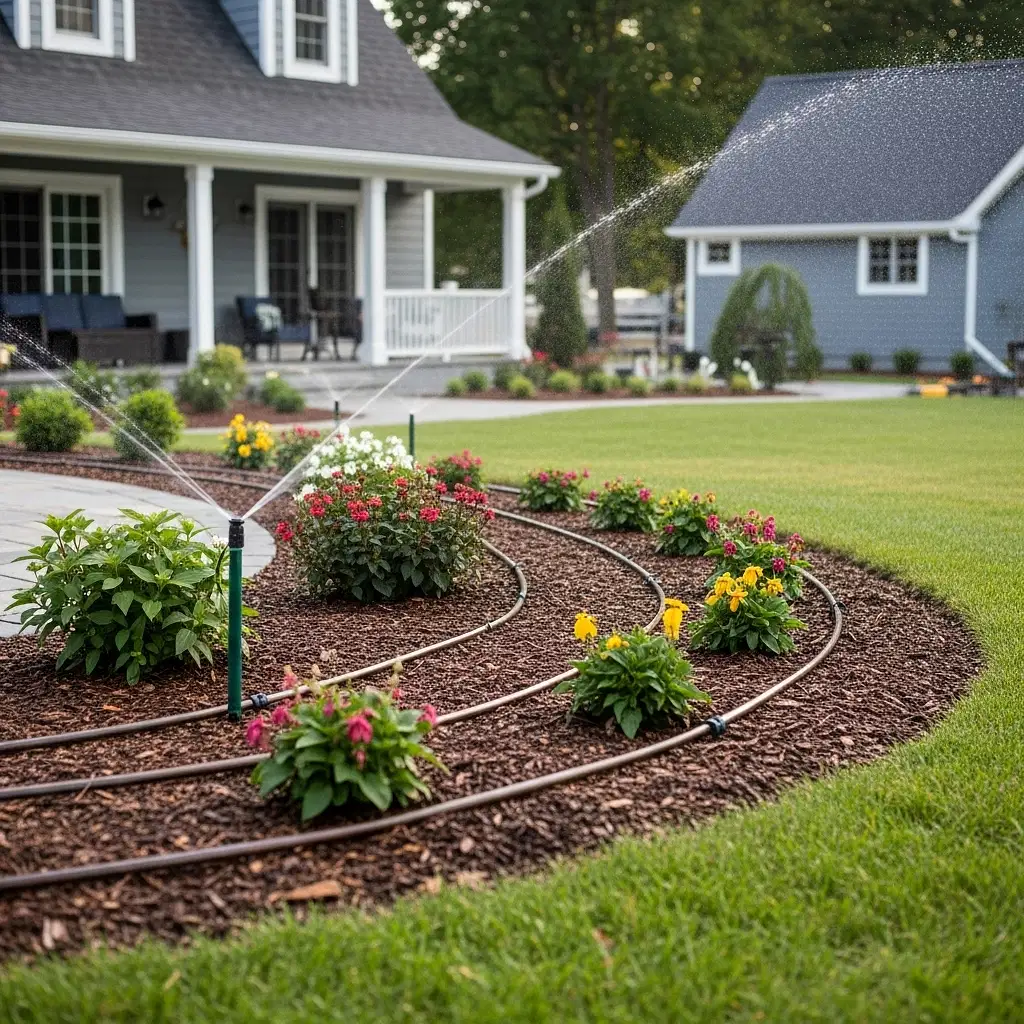
Equally important is how you water your yard during the drier months. Overwatering is the number one contributor to fungal diseases. We are seeing a rapid adoption of smart irrigation systems equipped with weather-sensing technology. These systems optimize water usage by pausing schedules when rain is detected and adjusting output based on soil moisture levels. Not only does this keep your grass healthier by encouraging deep root growth, but it also helps you automatically comply with local watering restrictions and reduces your utility bills. Learn more about optimizing your watering setup on our blog.
Navigating Fertilizer Bans and Proper Nutrition
During the summer months, local regulations mandate strict fertilizer bans across our region to protect local waterways from nutrient runoff. While this protects the environment, it can leave homeowners wondering how to keep their grass fed during its peak growing season. The key is applying slow-release granular formulations right before the blackout period begins, and utilizing micronutrient treatments like iron during the summer to maintain color without pushing excessive growth. A well-fed yard is naturally more resistant to both diseases and pest invasions.
Embracing Florida-Friendly Landscaping
To build a truly resilient outdoor space, integrating Florida-friendly landscaping practices is incredibly beneficial. By utilizing native plants, proper mulch, and drought-tolerant groundcovers in areas where traditional turf struggles, you reduce the overall stress on your yard. Native plants are naturally adapted to our heat, humidity, and pests, meaning they require far fewer chemical inputs and less supplemental water. This approach is not only better for the environment but also creates a stunning, low-maintenance aesthetic that fits perfectly with the architectural styles of South Tampa and surrounding communities.
Proactive Care for Your Outdoor Space
At FEYC Landscape, we know that your yard is an extension of your home, especially when you are looking to maximize your outdoor living space ahead of hurricane season or prepare for a backyard gathering. We operate on core values of transparency, quality control, and unparalleled customer service.
We differentiate ourselves by conducting a well-rounded walkthrough before starting any job. We believe that meticulous preparation is non-negotiable because it prevents issues down the road and ensures a smooth process. Whether we are assessing a struggling patch of grass or planning a massive property transformation, we always use the highest quality materials to guarantee the longevity and aesthetic appeal of the finished project.
Protecting your property from diseases and pests requires consistency and expertise. If you are tired of battling brown patches, unpredictable growth cycles, and confusing local regulations, it might be time to let the professionals handle it. Explore our comprehensive lawn care & maintenance programs, or let us completely reimagine your property with our expert landscaping services.
Beyond maintaining the green spaces, we specialize in elevating your entire outdoor experience. From stunning patios & walkaways and custom retaining walls, to structural upgrades like driveways, cozy fire pits, and full outdoor kitchens, FEYC Landscape is your trusted partner in Riverview and beyond.
Ready to reclaim your weekends and enjoy a flawless yard? Contact us today to schedule your comprehensive property walkthrough and start your journey toward a healthier, more beautiful landscape.